The core engagement
The CEA Produce Safety Readiness Assessment
Flat fee — $6,500
The Readiness Assessment gives you a clear, practical view of where your operation stands before you commit time and money to an audit path. It’s one day on site, a written report built around the specific standard or buyer requirement you’re working toward, and a prioritized roadmap for closing the gaps that matter.
Book a free 20-minute call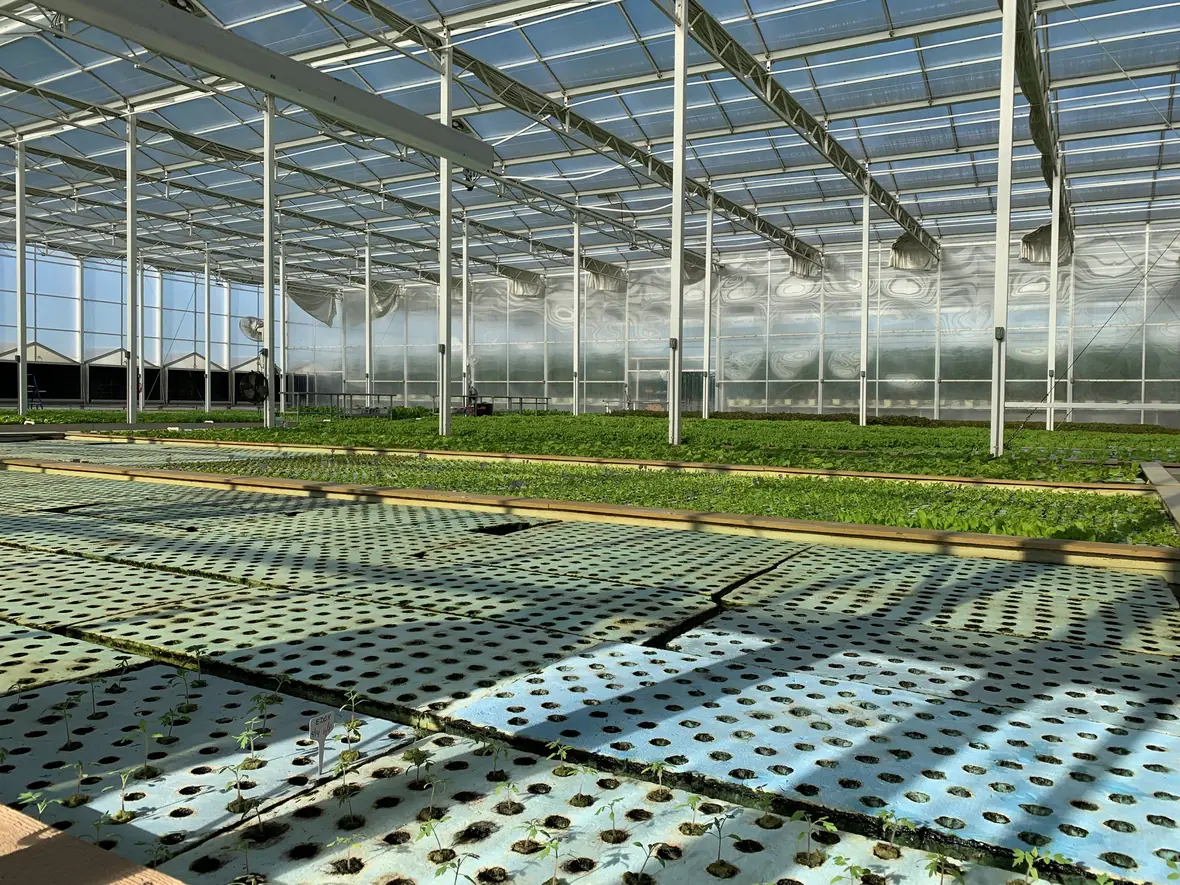
What’s included
- A 30–45 minute scoping call to understand your operation, buyers, current documentation, and timeline
- Review of your relevant food safety materials — food safety plan, water management plan, SOPs, monitoring records, training records, and any prior audit reports
- One day on site, reviewing your facility, records, practices, and workflows against the standard you’re pursuing or evaluating
- CEA-specific review of areas such as recirculating water, growing media and seed inputs, food-contact surfaces, worker traffic, harvest and packing flow, and cleaning and sanitation
- A written diagnostic report that identifies gaps, prioritizes fixes, and separates urgent issues from lower-priority improvements
- A walkthrough call with your team to review the findings and discuss next steps
- One follow-up call within 30 days, as you begin closing gaps
Typical timeline: site visit within three weeks of signing, written report within two weeks of the visit, and a walkthrough call within one week of the report.
Common scope adjustments
Some operations need more than the standard engagement covers. The most common adjustments are:
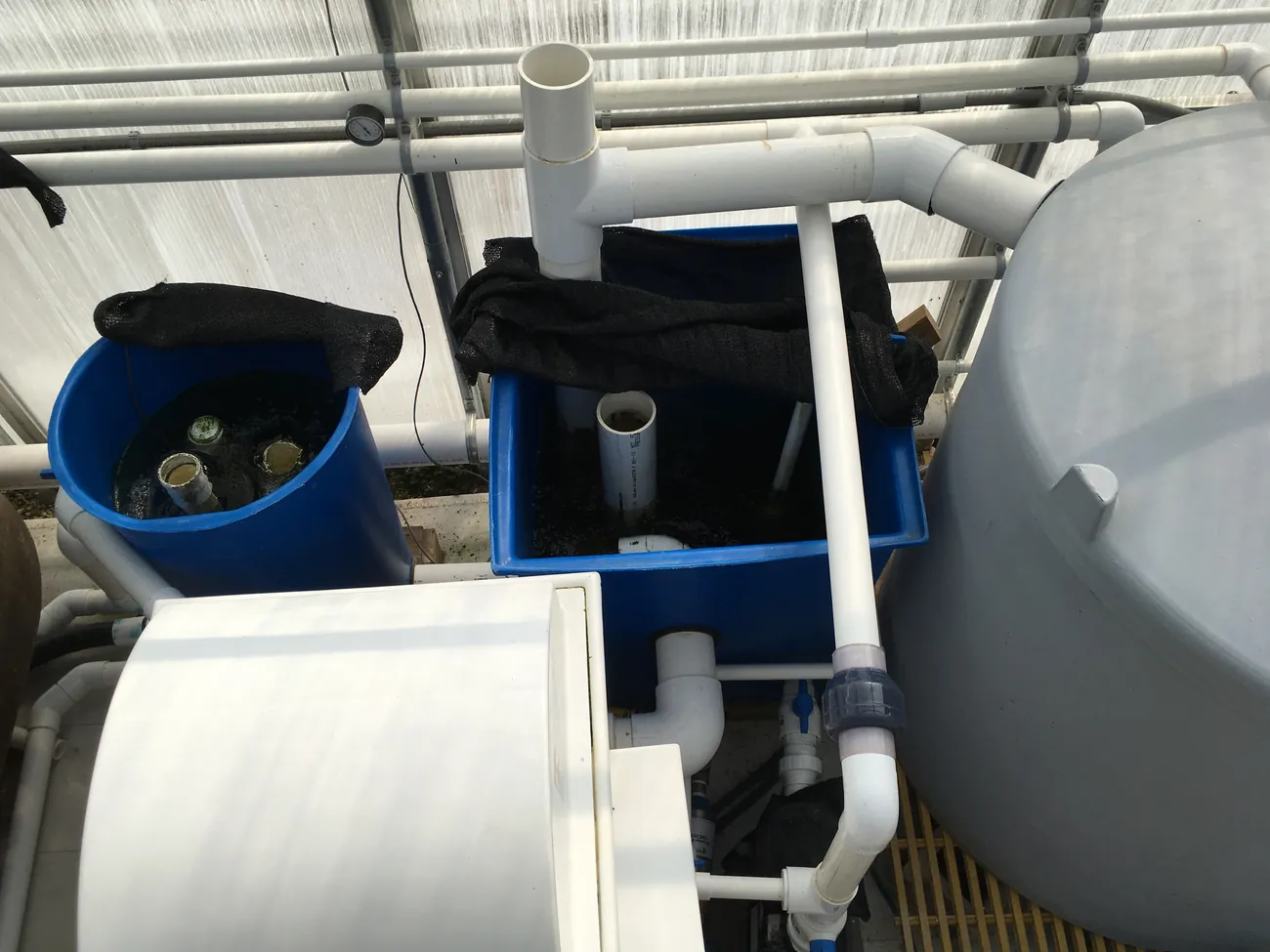
- Aquaponic system component / fish-side hazard analysis — $1,200. A dedicated hazard analysis of the fish side of the system — the area where my graduate research was focused, which most generalist consultants don’t cover.
- Additional production site. A second site means a second walkthrough and its own findings folded into the report. Scoped and quoted at the scoping call, since the cost depends on the site’s size and where it is relative to the first.
- Multi-shift operation. Observing a second shift’s changeover, sanitation handoff, and worker practices. Quoted at the scoping call, since whether it fits the same visit or needs a separate one depends on your schedule.
Travel and lodging are included in your engagement quote and confirmed at the scoping call. Operations within day-trip range may see reduced travel costs.
What comes after the assessment
An assessment almost always surfaces gaps. You can take the report to your own team and close them yourself — the report is a complete deliverable and explained in the team walkthrough call. If you want help past the assessment, follow-on support can include:
- SOP and monitoring-program development
- Water hazard analysis and corrective action planning
- Staff training, records, and implementation support
- Traceability and FSMA 204 preparation
- Pre-audit mock walkthroughs
- Ongoing advisory support
A new practice — the founding-client offer
I’ll be honest about where this practice is. Fogarty Research & Consulting is new. I haven’t run a hundred of these assessments (yet).
What isn’t new is the expertise behind it. From 2021 to 2025 I did produce safety education and technical assistance for exactly these operations at NECAFS; I built the hydroponic and aquaponic resources at go.uvm.edu/ponics; my graduate research was on water quality in commercial-scale aquaponic systems. The engagement is new as a package, but every part of it rests on work I’ve already done.
For the first three assessment engagements, the rate is $4,250 rather than $6,500. In exchange, I ask to write the work up as an anonymized case study and, if you’re willing, to use a short testimonial.
Two other things come with being a founding client. You get my full attention, and you get a say in how the practice takes shape. After the first three founding-client engagements are booked, the standard assessment rate is $6,500.
Common questions
Can you help if my buyer already named a specific audit?
Yes. If your buyer has named a specific standard, I’ll assess your operation against that path and help identify the gaps that need to be closed before audit.
Can you help if I’m not sure what my buyer will accept?
Yes — that’s often the first step. I’ll help you clarify what the buyer is really asking for and what options may meet the business requirement.
Do you write the food safety plan?
Yes, when it follows an on-site assessment or a clearly scoped implementation project. I don’t write template plans for operations I haven’t evaluated.
Do you guarantee certification?
No. Certification decisions belong to the auditor or certification body. My role is to help you understand the requirements, close gaps, and prepare honestly.
Ready to find out where you stand?
Tell me who your buyers are and what they’re asking for. We’ll start with a free 20-minute call, and I’ll help you sort out the likely audit path and whether an assessment makes sense.